
Why Tablets Are The Perfect Platform For Horny Games
The tablet isn’t just a fun gadget. It’s also the perfect platform for interactive porn games! They’re easy to play, and they’re sure to get your juices flowing as you watch them unfold in front of you.
There are hundreds of apps out there that can help you get off with some sexy scenes on your tablet’s screen. If you want something more immersive than regular videos or photos, though, then it’s time to try adult games.
I’ve been playing these horny games for a while now, so I know what makes them tick. There are plenty of reasons why they’re better than the traditional adult content:
They’re Interactive
A lot of sex games out there force you to sit back, watch, and wait for the action to start. Not only is that boring, but it also doesn’t feel like real sex at all! These adult video games let you control the action – either through your touch or by watching your character do things on their own. And if you don’t like one horny game, there will always be another option waiting right around the corner. You’ll never get bored!
They’re Sexy As Hell
You’ll have no problem finding these sexy games that feature hot babes who love getting fucked. Some of them even allow you to pick from different body types and hair colors, so you can create the perfect fantasy woman to play with. Of course, you can also choose between male and female characters, so you can enjoy the same sort of fantasies regardless of your preference.
They’re Affordable
It’s hard to beat free porn games when it comes to affordability. But if you want more features than the free stuff has to offer, you can always pay a few bucks to unlock an entire new game. That way, you won’t have to worry about spending too much money to see exactly what you want.
They’re Fun To Play With Your Partner
Some people might think that sexy games are strictly for solo masturbation, but that’s not true at all. You could play a horny game with your partner and still get off together. All you need to do is take turns using your phone or tablet and taking part in the action. Of course, it’s a great idea to use your fingers instead of touching each other directly, since you don’t want to risk breaking any rules in your relationship.
Tablets Are Portable
Another reason to love these games is that they’re portable enough to carry around wherever you go. You can take them anywhere without having to worry about battery life or storage space, which means that you’ll always have access to your favorite porn games when you need them most.
Tablets Are Bigger Than Phones
The biggest advantage here is that tablets are bigger than phones. This gives you more room to zoom in on your sex scene, so you can look at every little detail whenever you want. Plus, you won’t have to readjust the view after each turn because the screen will stay where you left it.
Ready to play horny games?
So there you have it – my top reasons for loving horny games, and why you should use a tablet to play them. Don’t forget to check out some free options before buying anything. That way, you can figure out whether or not you really like horny games before dropping your cash on them!
…
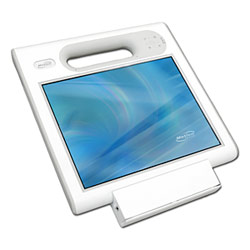 credit card transactions in real time, without the need to manage multiple devices. With the mobile broadband and wireless capabilities of the C5 and F5, secure transactions can happen whether retail employees are moving about a store or providing services and solutions in the field.
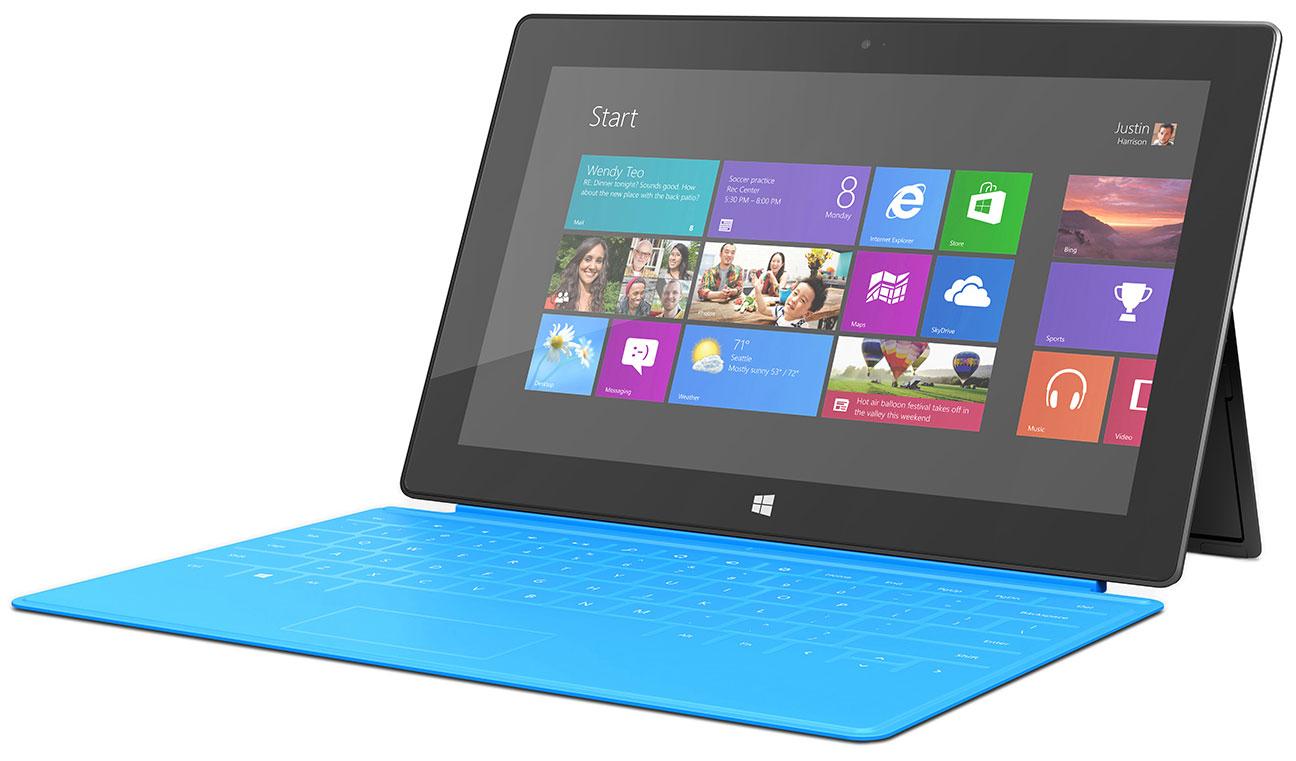


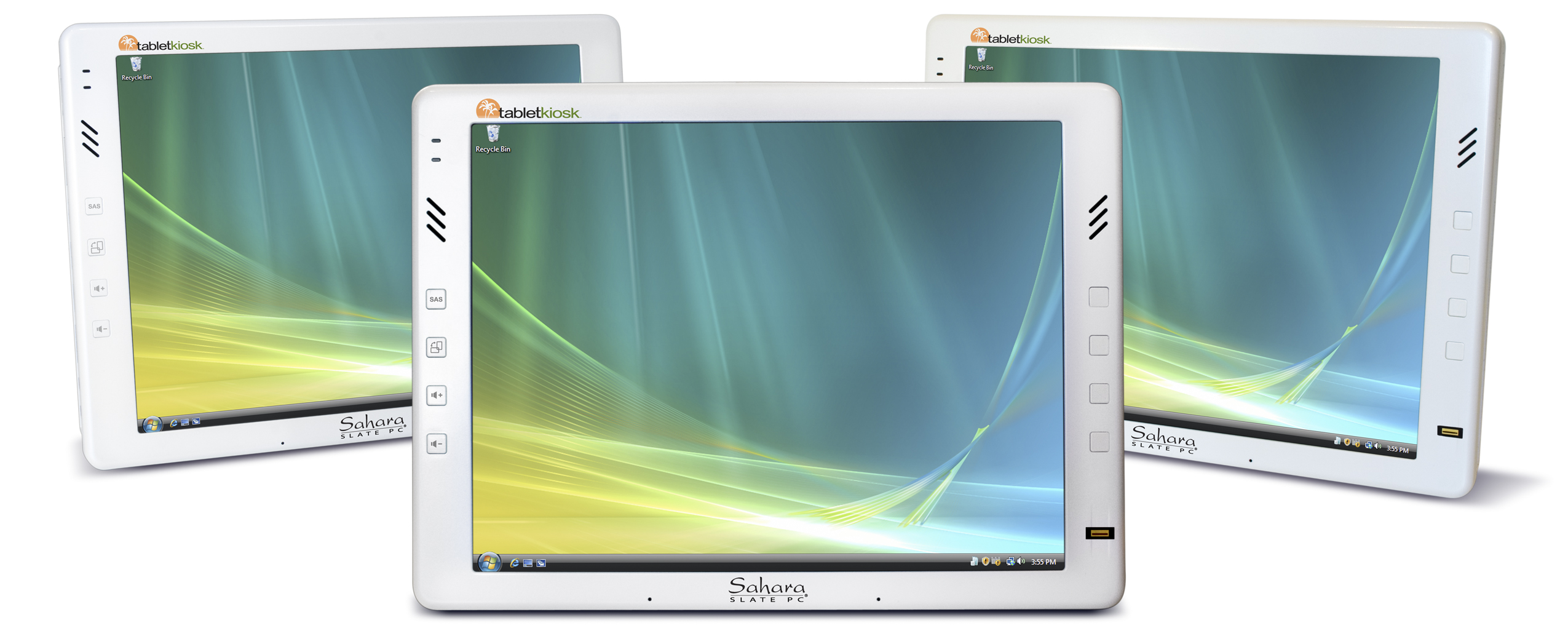
 The screen is still integrated into the bezel with a very shallow ledge or step. The surface of the screen is, of course, the touch overlay. Maybe it’s just faulty memory on my part, but this screen / touch surface felt firmer and more rigid to me than the prototype.